Why it was Unfair
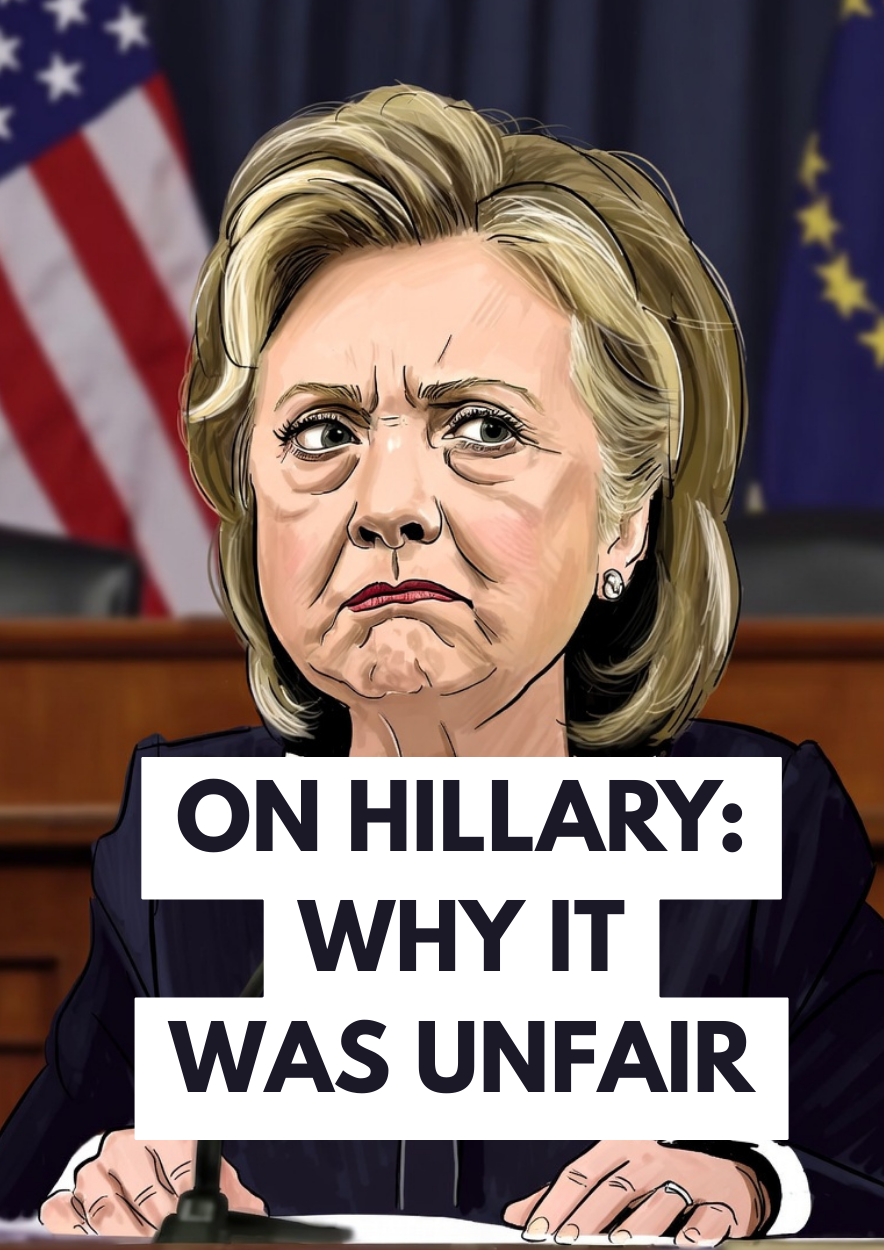
There’s a reason why former Secretary of State Hillary Clinton has every right to be upset over the photo reportedly leaked by Rep. Lauren Boebert to a conservative vlogger. Even if the congresswoman maintains that the photo was taken before the session formally began, the spirit of the rules surrounding closed-door proceedings matters just as much as the technical timing. Reports indicate that Clinton nearly walked out during the private congressional testimony—but ultimately chose not to.
Closed-door hearings exist for a reason. When matters of national interest and sensitive allegations are involved, discussions are conducted privately to protect the integrity of the process. These settings allow lawmakers to deliberate carefully, examine evidence responsibly, and avoid premature public narratives that can distort facts. They are designed to promote neutrality and ensure that conclusions are based on substance—not spectacle.
By leaking the photo, Boebert arguably subjected Clinton to unauthorized public exposure. It’s difficult to see how such a move serves any purpose beyond partisan advantage. Actions like this risk setting a troubling precedent: individuals called to testify could face real-time harassment, public judgment, and political weaponization before facts are fully examined.
Clinton was testifying regarding the alleged involvement of her husband in matters connected to Jeffrey Epstein—allegations she has denied, stating she never met Epstein nor had knowledge of his crimes. Regardless of the political dynamics surrounding the issue, House rules explicitly prohibit sharing photos, videos, or details from closed-door sessions. These rules are not arbitrary; they exist to preserve fairness and prevent the politicization of sensitive proceedings.
Ultimately, the incident appears less about transparency and more about political theater—an approach that undermines the seriousness of congressional oversight and erodes trust in institutional norms.