Venezuela Gamble
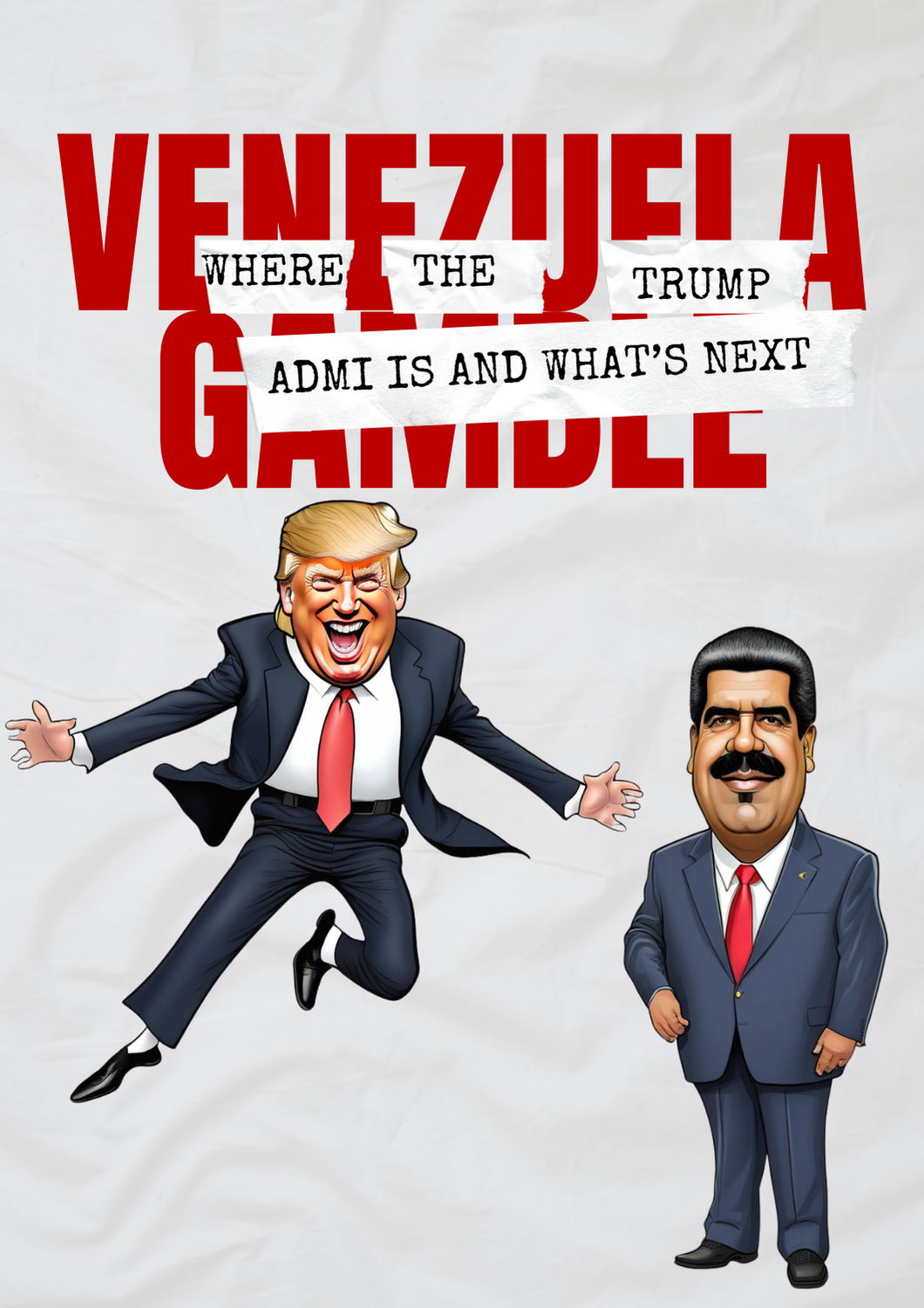
The Trump administration's actions appear rooted in a familiar "maximum pressure" strategy, revived from his first term but amplified amid claims of Venezuelan links to transnational crime. By designating elements like the Cartel de los Soles as a terrorist organization and blocking oil shipments, the U.S. seeks to choke Maduro's primary revenue source—petroleum exports—which allegedly sustain corruption and criminal activities. Broader geopolitical goals are at play too: countering adversarial influence in America's backyard, stemming migration flows from Venezuela's ongoing crisis, and asserting dominance over energy resources. Trump has long criticized previous administrations for being soft on Maduro, and this blockade signals a return to uncompromising tactics that it seems are always aimed at regime change without direct invasion, the current administration had always countered but somehow the facts got lost on the massive amount of information and data that are being presented and argued publicly. But one thing’s for sure, Trump’s administration are designed and guided by calculated escalations, betting that economic strangulation will fracture the regime's hold, especially after disputed elections and ongoing sanctions.
Maduro has publicly touted support from Moscow and Beijing, with Putin offering verbal reassurances and discussions of bilateral ties. However, experts note that real assistance—military or substantial financial—because of security concerns had always been something that’s remained to be seen. Russia, entangled in Ukraine, and China, prioritizing economic pragmatism, are stronger allies yet it always seems that their approach had always been strategic and calculated. The massive rallies of Maduro points to the rising emotions and a surge in nationalistic fervor. Massive rallies in Caracas have drawn thousands waving flags, chanting slogans, and pledging loyalty to Maduro, who has dramatically brandished a sword symbolizing historical resistance while vowing to defend the nation from U.S. "aggression." This isn't mere propaganda; external threats have historically unified fractious populations, and Maduro's narrative of defending sovereignty against "North American empire" threats is resonating deeply with the average Venezuelans.
Locally, there’s a fatigue going on among Americans when it comes to International issues, polling paints a clear picture: most Americans are skeptical or outright opposed to deeper involvement in Venezuela. Majorities—often around 70%—reject military action, viewing the situation as low-priority or not a direct threat. Few see it as a "national emergency," and there's strong sentiment that any escalation requires congressional approval plus most Americans are currently struggling with the rising grocery prices, changes in their health care policies, job disruptions and the current political climate that created a heavy sensation among Americans.
On a broader scale, the blockade could accelerate Venezuela's economic collapse, potentially eroding elite loyalty to Maduro and opening the door to a political transition. However, the surge in nationalism is likely to play directly into Maduro's hands, allowing him to rally the nation behind him and deepen economic and military ties with Russia and China—ties that, while currently limited, could expand if the pressure intensifies.
This places the United States in a high-stakes gamble. With most Americans focused on kitchen-table struggles—rising costs, economic uncertainty, and domestic priorities—the prospect of deeper involvement, let alone war, in Venezuela holds little appeal and could further erode public support. Such a move risks alienating voters already weary of foreign entanglements, potentially strengthening the Democrats as an alternative voice. Yet history shows that when it comes to major foreign policy actions, Democrats have often aligned with Republican positions, particularly on issues of national security and great-power competition.
Meanwhile, sustained U.S. pressure could inadvertently push Russia and China closer to Caracas, encouraging them to bolster ties—not out of deep ideological commitment, but to counter American influence and protect their strategic and resource interests in the region.
In the end, the U.S. is rolling the dice on a volatile situation. Every escalation carries consequences: it may weaken Maduro, but it also risks entrenching him, complicating regional dynamics, and distracting from priorities at home. This is a delicate balance—one that demands clear objectives, realistic assessments, and a willingness to pair pressure with viable diplomatic pathways.