On Iran’s Warning
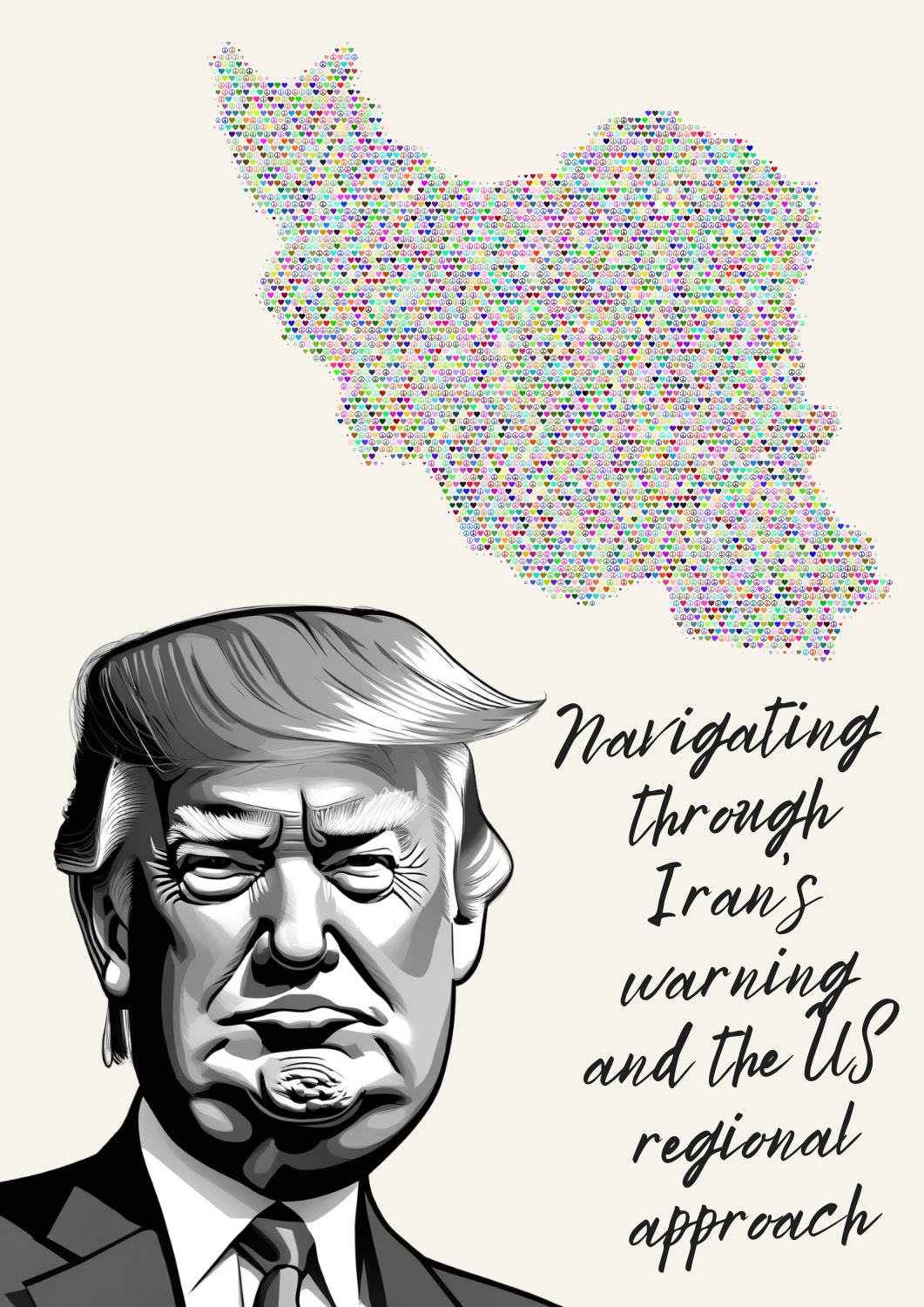
Iran's Stark Warning: shaping us middle east moves?
Yesterday’s Al Jazeera interview, Iran's Foreign Minister Abbas Araghchi delivered a pointed message to the United States: If Washington launches strikes against Iranian territory, Tehran will retaliate by targeting U.S. military bases scattered across the Middle East. Araghchi was careful to clarify that such actions would not constitute attacks on neighboring countries themselves, but rather on American installations hosted within them – a distinction he emphasized to underscore Iran's intent to focus solely on U.S. forces. But then again knowing the current state of Washington right now, this will obviously be seen as a direct attack on the US. This warning comes amid fragile indirect talks between the U.S. and Iran in Oman, where discussions centered on Iran's nuclear program, with Araghchi reiterating that Tehran's missile capabilities remain "non-negotiable." As tensions simmer in a region already scarred by conflicts in Gaza and beyond, this statement isn't just rhetoric; it's a calculated signal in a high-stakes game of deterrence.
What This Means for Trump's Foreign Policy Toward Iran
President Trump's signature "maximum pressure" approach to Iran, a policy that during his first term involved withdrawing from the 2015 nuclear deal (JCPOA), imposing crippling sanctions, and the targeted killing of Iranian General Qasem Soleimani in 2020. Now, in 2026, with U.S. forces still embedded in allies like Iraq, Jordan, and the Gulf states, Araghchi's threat directly challenges Trump's strategy of using military might and economic leverage to curb Iran's regional influence and nuclear ambitions.
This warning amplifies the risks of escalation. Trump's administration has signaled a tough stance, including potential preemptive actions against Iran's nuclear sites if diplomacy falters. But Araghchi's words highlight a vulnerability: U.S. bases in the region – from Al Udeid in Qatar to bases in Bahrain and the UAE – are within striking distance of Iran's arsenal of ballistic missiles and drones. An attack on these could drag host nations into a broader conflict, straining alliances and potentially destabilizing oil markets. For Trump, this means his policy of isolation and confrontation could backfire, turning a contained standoff into a regional war that alienates key partners and spikes global energy prices. It also tests his "America First" doctrine: Does deterring Iran justify endangering U.S. troops abroad, or does it call for a pivot toward smarter, less bellicose tactics?
In essence, Araghchi's interview exposes the limits of unilateral aggression. Trump's team might view it as bluster, but ignoring it risks miscalculation – much like the escalatory cycle that followed Soleimani's assassination. If Trump doubles down, it could embolden hardliners in Tehran, further entrenching Iran's support for proxies like the Houthis and Hezbollah, and complicating U.S. efforts to broker peace in the Levant.
How This Should Play Out: A Call for Pragmatic Diplomacy
The situation in Iran and the US position on this issue actually is a moment that demands de-escalation over brinkmanship. History shows that tit-for-tat military posturing in the Middle East rarely yields lasting security; instead, it breeds cycles of violence that drain resources and lives. Trump's first term proved that maximum pressure can weaken Iran's economy but doesn't dismantle its nuclear program or regional network – Iran has only advanced its uranium enrichment since the JCPOA's collapse. Araghchi's warning is a reminder that deterrence cuts both ways: Iran is signaling readiness for war while expressing hope for resumed talks "soon."
The ideal path forward is a return to negotiated limits on Iran's nuclear activities, coupled with confidence-building measures to address broader grievances. This isn't appeasement; it's realism. A full-scale conflict would devastate the region, disrupt global supply chains, and distract from pressing issues like climate change and AI advancement. Trump, with his deal-making ethos, has an opportunity to reframe his policy as "maximum diplomacy" – using leverage to extract concessions without triggering Armageddon.
Steps Both Sides Can Take to Cool Tensions
De-escalation requires mutual restraint and small, verifiable steps.
For the United States:
Pause Provocative Rhetoric and Actions: Trump should avoid inflammatory statements or snap military exercises that could be misread as preludes to strikes. Instead, signal openness to direct talks through backchannels, perhaps mediated by Oman or Qatar.
Ease Selective Sanctions: Offer targeted relief on humanitarian goods or frozen assets in exchange for IAEA-verified caps on uranium enrichment. This builds trust without fully lifting pressure.
Strengthen Alliances Without Escalation: Work with regional partners to bolster defenses against Iranian proxies, but emphasize diplomacy to prevent bases from becoming flashpoints.
For Iran:
Halt Proxy Aggression: Rein in attacks by allied militias on U.S. interests, such as recent strikes in Iraq or Syria, to create space for dialogue.
Commit to Transparency: Allow expanded IAEA inspections and freeze missile tests during talks, demonstrating good faith.
Engage Economically: Propose joint initiatives, like energy cooperation, to show willingness for win-win outcomes beyond nuclear issues.
Both parties should prioritize multilateral forums, involving Europe and China, to revive elements of the JCPOA. Ultimately, peace in the Middle East hinges on recognizing shared interests: stability, prosperity, and averting catastrophe. Araghchi's warning is a wake-up call – let's hope it's heeded before words turn to weapons.