Newsom’s Position
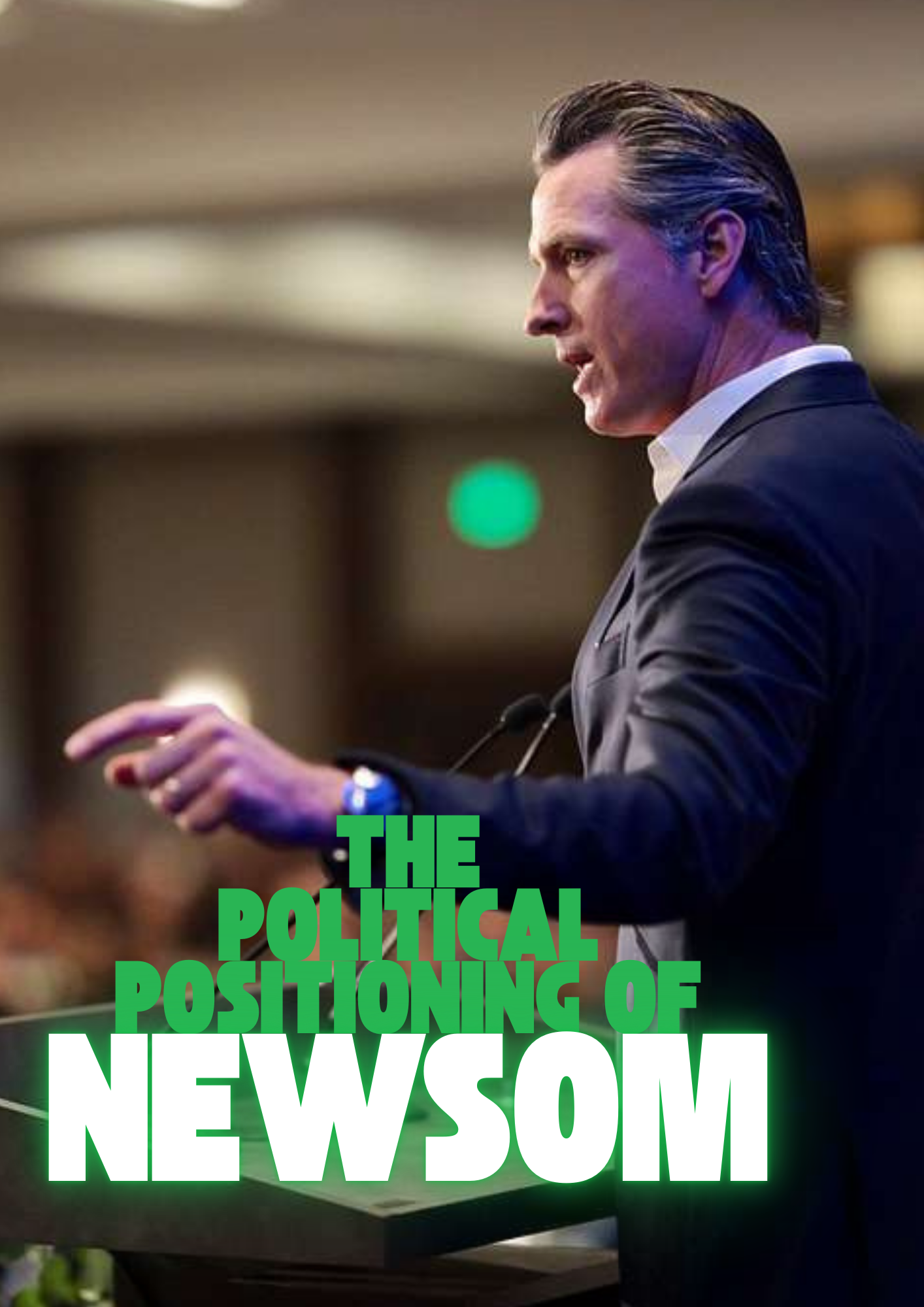
The emerging contrast between Gavin Newsom and Pete Buttigieg highlights how political positioning and visibility can shape early perceptions of the 2028 presidential landscape. As California’s sitting governor, Newsom holds a structural advantage: he commands one of the nation’s largest state platforms and remains at the center of policy debates that carry national implications. Buttigieg, a former Transportation Secretary, is no longer in public office, which places him outside the daily machinery of governance. However, his sustained media presence and active social engagement—particularly his willingness to appear on conservative outlets and address audiences beyond the Democratic base—keep him relevant in national conversations.
Early polling has at times shown Buttigieg performing well among Democratic voters. Yet primary history suggests that polling strength alone does not guarantee electoral success. Democratic contests have repeatedly demonstrated how early favorites can falter once voting begins in key states. While polls can energize fundraising and signal enthusiasm, they do not always translate into durable voter coalitions or turnout at the ballot box.
Newsom’s recent posture on high-profile issues has further elevated his national profile. His confrontations with President Trump over immigration enforcement and his outspoken positions on racial equity and federal-state tensions have positioned him as an assertive counterweight to Republican leadership. This combative, high-visibility approach contrasts with Buttigieg’s more measured style, which has tended to emphasize pragmatic governance and cross-partisan communication.
The Democratic electorate itself is evolving. Recent political developments—including the coalition-building strategies associated with figures such as Mayor Mamdani suggest that segments of the party increasingly reward candidates who articulate clear, forceful positions and mobilize diverse constituencies. This shift reflects a broader appetite among many Democratic voters for leaders perceived as willing to engage directly in ideological and policy battles.
Newsom appears to be aligning his strategy with this changing landscape, presenting himself as a candidate prepared to contest national debates aggressively. Buttigieg, widely regarded as articulate and policy-focused, may face pressure to adapt to an electorate that is placing greater emphasis on confrontation and advocacy. Whether this dynamic persists through the 2028 cycle remains uncertain, but it underscores how shifting voter expectations can quickly reshape the relative standing of prominent political figures. And this is where Governor Newsom is right now, he is politically positioning himself for 2028 on the most strategic positions on every Republican issues, and every Trump policies. Will Buttigieg catch up on him? Closer polling closer or after Midterms will determine the political trajectory of the former Transportation secretary.