Five Day Pause
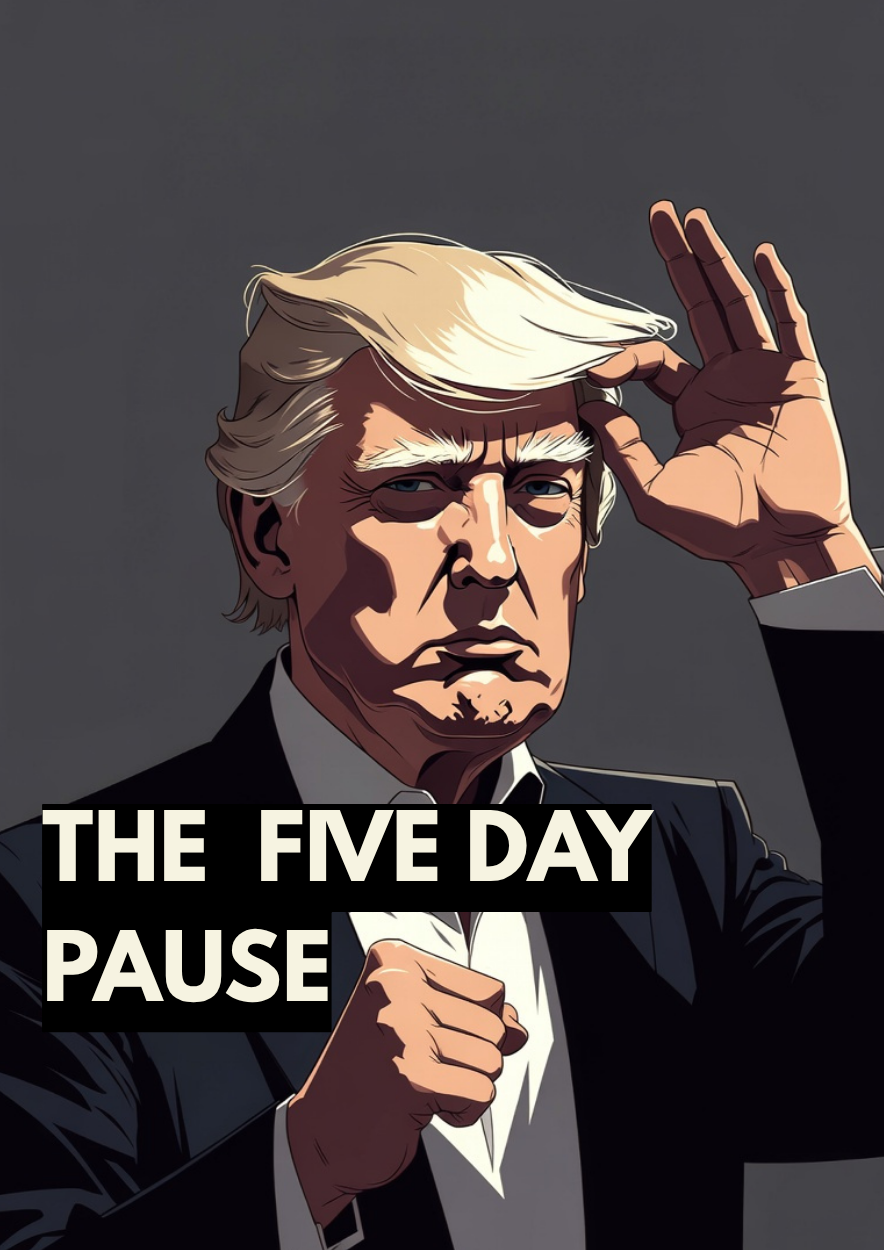
As the world holds its breath and watches oil reserves dwindle, President Trump has announced a five-day postponement of planned attacks on Iranian power plants. He stated that backchannel negotiations are underway, describing them as “very good” and “productive.” In a post on Truth Social, the President wrote:
“Based on the tenor and tone of these in-depth, detailed, and constructive conversations—which will continue throughout the week—I have instructed the Department of War to postpone any and all military strikes against Iranian power plants and energy infrastructure for a five-day period, subject to the success of the ongoing meetings and discussions.”
So what does this mean for Iran?
Iranian state media claim that a “firm warning” forced the U.S. President to back down. But in reality, this moment reflects something deeper: survival mode—not just for Iran, but for a world grappling with declining oil reserves.
Iran’s economy is already under strain from the Hormuz squeeze and repeated strikes. Its nuclear program and regional proxies are under pressure, while domestic tensions continue to rise. This five-day reprieve offers critical time to repair infrastructure, rally allies, and reassess strategy.
Still, skepticism runs high. Iran is well aware that Trump’s positions can shift rapidly—signaling de-escalation one day, issuing ultimatums the next. Taking negotiations at face value carries risks: appearing weak, or worse, walking into a trap that could lead to major concessions, even regime change.
For now, the pause signals rhetorical progress—but the next five days will be decisive.
Markets are cautiously betting on de-escalation. The rest of the world, however, should keep a close eye on the Strait of Hormuz, Iranian state media, and Trump’s Truth Social feed.
In the Middle East, it’s always wise to hope for the best—but prepare for the unexpected. A genuine path to peace would be a win for humanity. Anything less could turn this brief pause into the calm before a far more destructive storm.